The Mountain Classics
Southern, Western, Northern, Eastern and Central mountain routes describe landscapes alongside their animals, resources, spirits and ritual details.
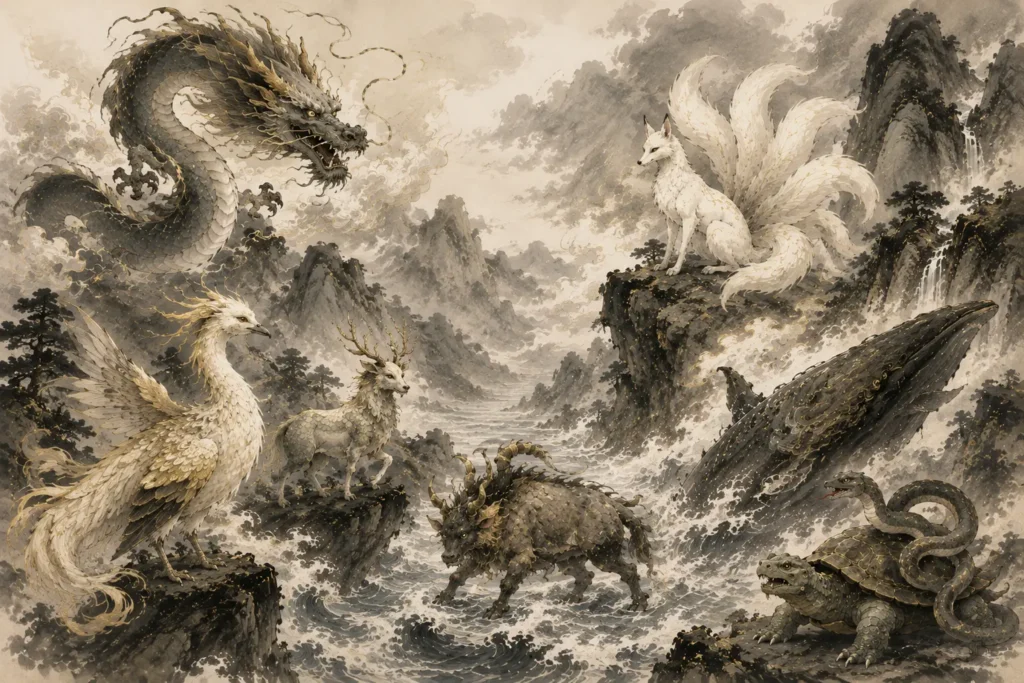
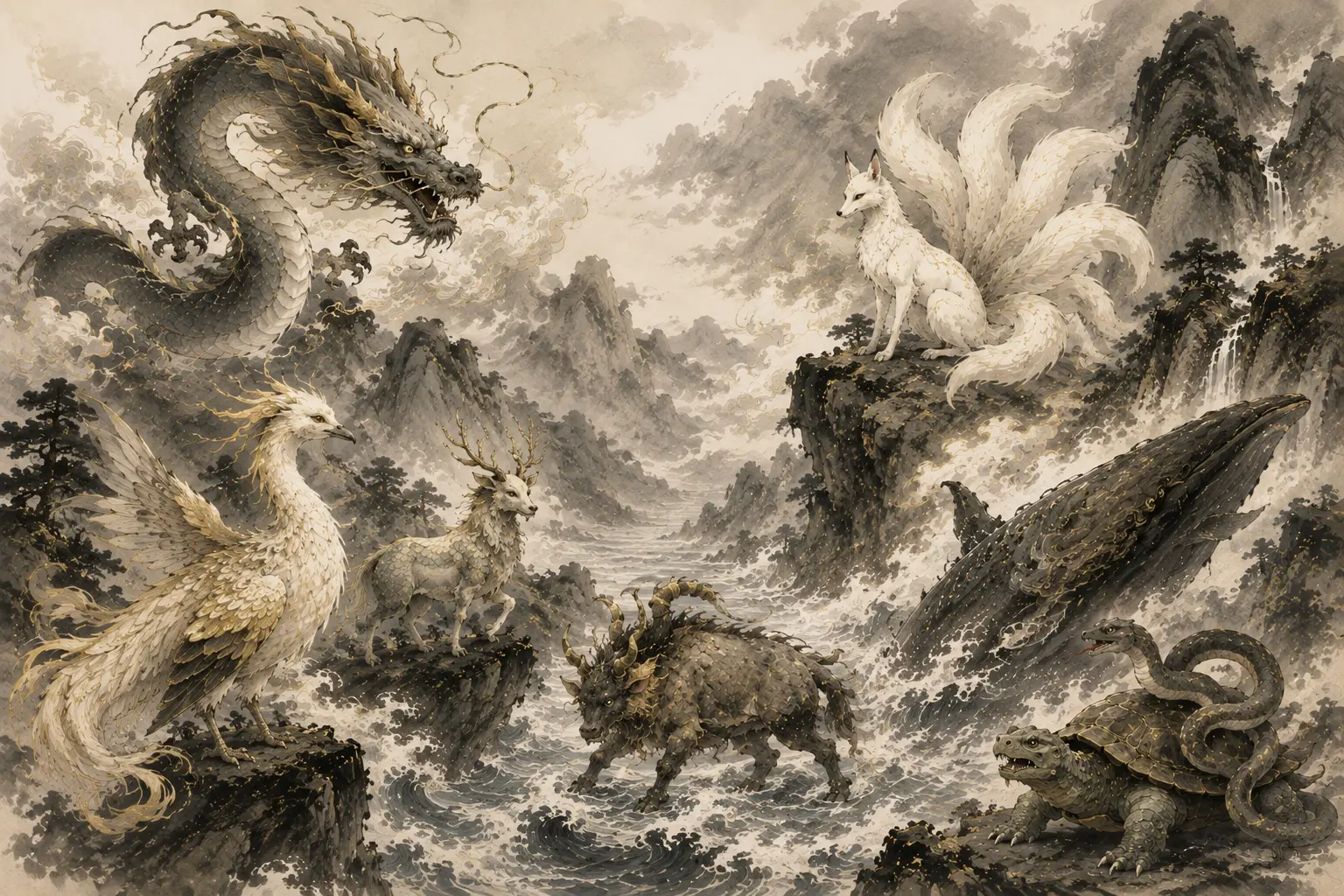
Enter the strange world of the Shan Hai Jing — the Classic of Mountains and Seas. Explore extraordinary beasts, hybrid beings, distant landscapes and supernatural creatures preserved in one of ancient China’s most remarkable collections of mythic geography.
Enter the BestiaryThe Shan Hai Jing (山海經 / 山海经, Shānhǎi Jīng), often written Shanhaijing, is an ancient Chinese compilation commonly translated as the Classic of Mountains and Seas or Guideways Through Mountains and Seas.
It is much more than a catalogue of monsters. The surviving work describes mountains, rivers, minerals, plants, peoples, rituals, gods and extraordinary animals across a vast imagined and geographical landscape. Scholarly treatments generally regard it as a layered compilation formed over centuries rather than the work of one single author.
Its creatures are especially memorable because the text often places the strange directly beside the ordinary. A mountain may contain minerals and medicinal plants, then suddenly become home to a beast with impossible anatomy, a supernatural sound or an appearance connected with an omen.
The surviving text is organized into eighteen sections. These groups help explain why geography is inseparable from the creatures, gods and strange peoples described throughout the work.
Southern, Western, Northern, Eastern and Central mountain routes describe landscapes alongside their animals, resources, spirits and ritual details.
Four directional sections move beyond the familiar landscape into distant countries, strange peoples and extraordinary beings.
Another four directional sections describe lands, figures and unusual phenomena located within the wider world framed by the seas.
Four Great Wilderness sections and the final Inner Seas section expand the work into some of its most remote, mythic and extraordinary landscapes.
Start with several entries from the growing Becoming Konstantin bestiary, then continue deeper into the archive.
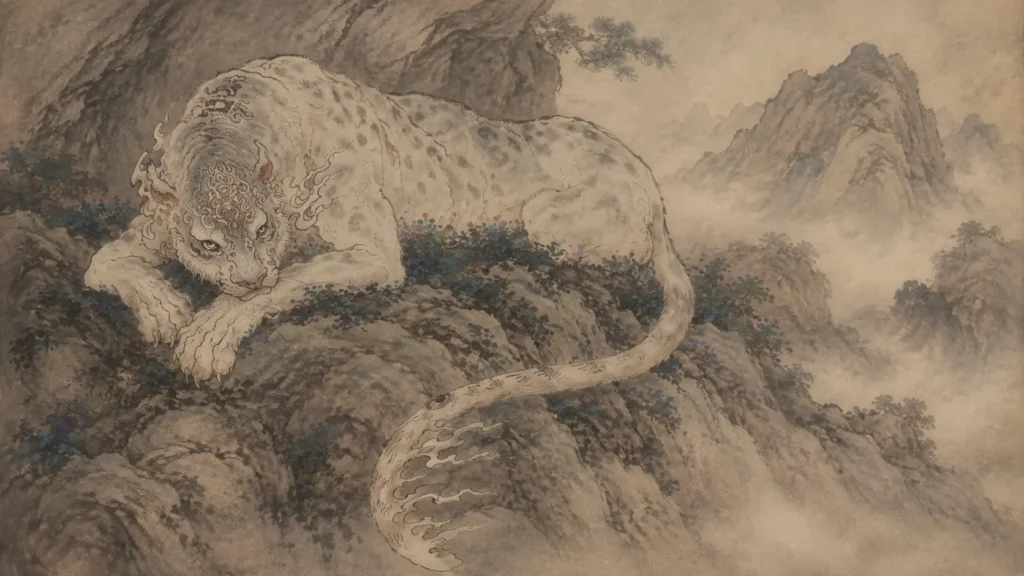
Some creatures announce their arrival with fire, thunder, or a terrifying roar. Mengji survives by doing the opposite. Hidden among […]
Explore This Creature →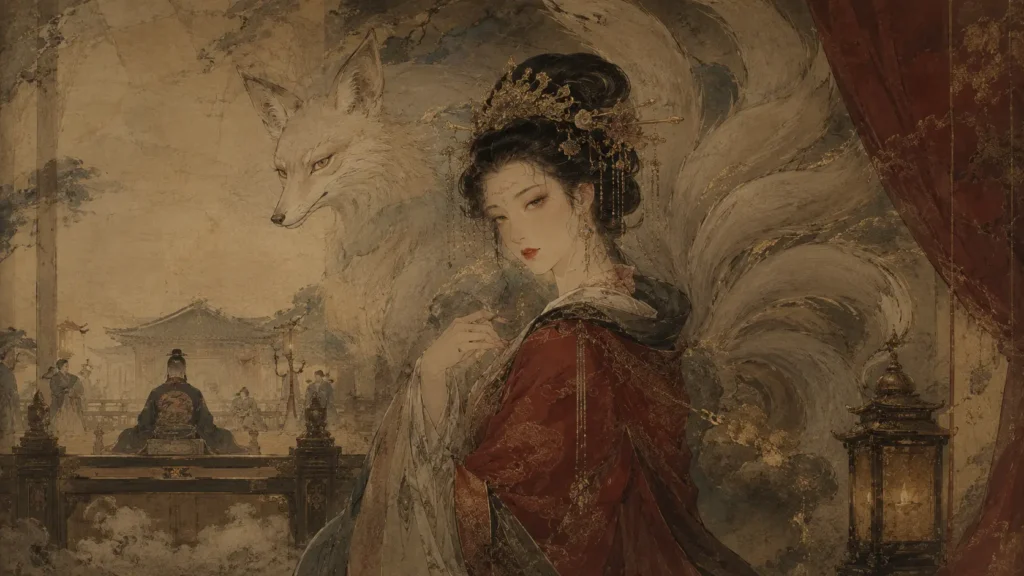
Long before nine-tailed foxes appeared in anime, games, and modern fantasy, one was already wandering through the strange landscapes of […]
Explore This Creature →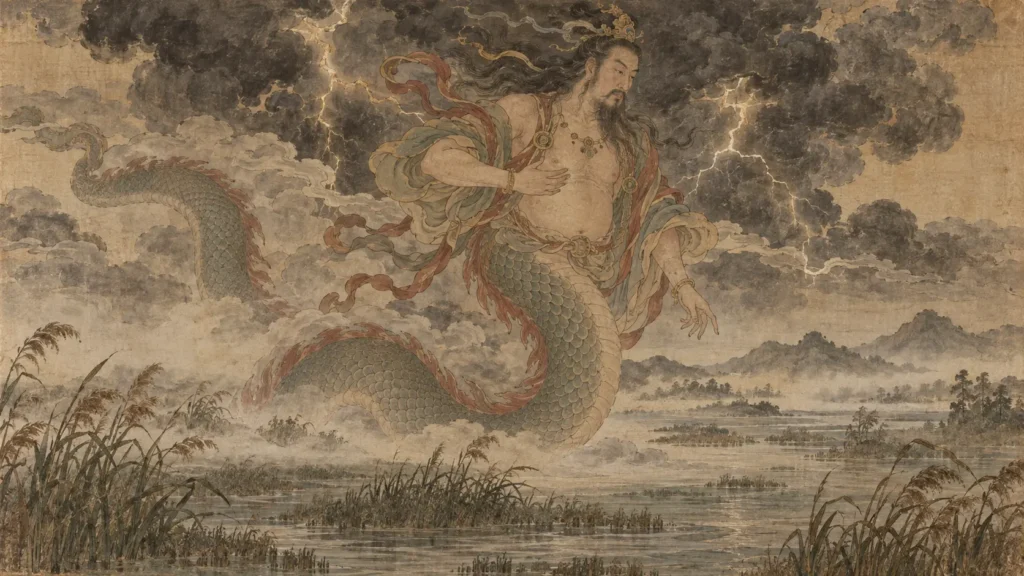
Before the winged Lei Gong beat his heavenly drums, Chinese mythology imagined thunder differently. Deep within a mysterious marsh called […]
Explore This Creature →Modern retellings often turn every entry into a complete legend. The original text can be much shorter. These four questions help separate what an early description actually tells us from what later traditions added.
Many creatures are tied to a specific mountain, river, sea or distant region. Location is part of the entry, not just background decoration.
Appearance, anatomy, color, sound and resemblance to known animals can all be used to identify a strange being.
Some entries connect creatures with omens, danger, unusual events, ritual significance or practical effects. Not every creature carries the same kind of meaning.
Later folklore, literature and modern media may dramatically expand an ancient creature. Those developments matter, but they should not be confused automatically with the earliest text.
Discover new beasts, strange peoples, supernatural beings and ancient entries added to the expanding Shan Hai Jing archive.
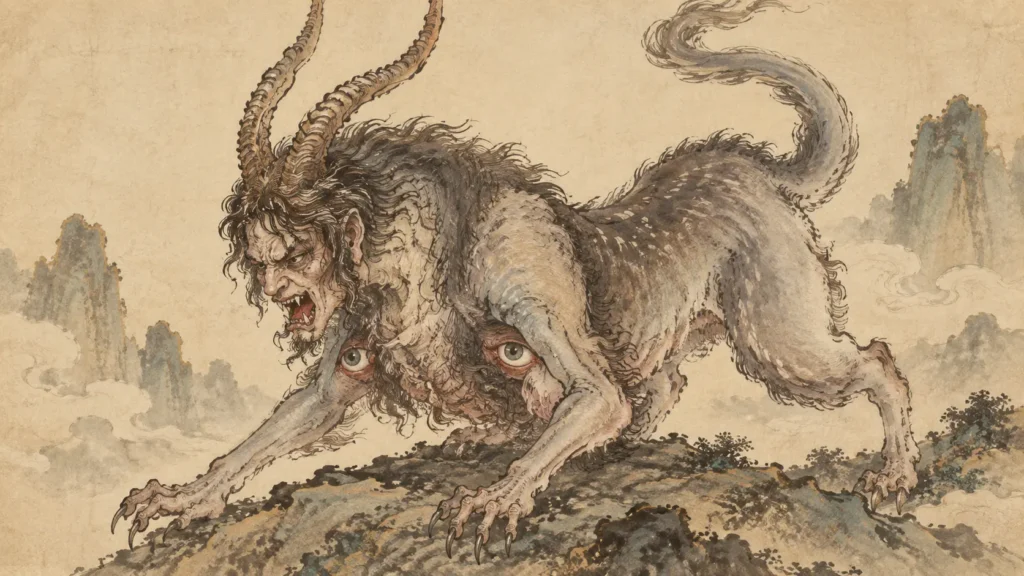
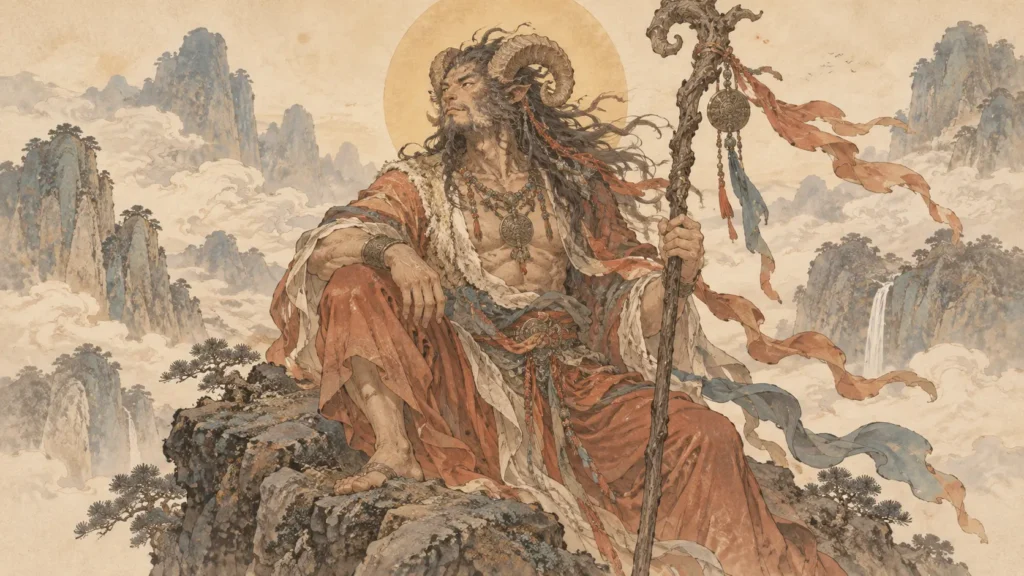
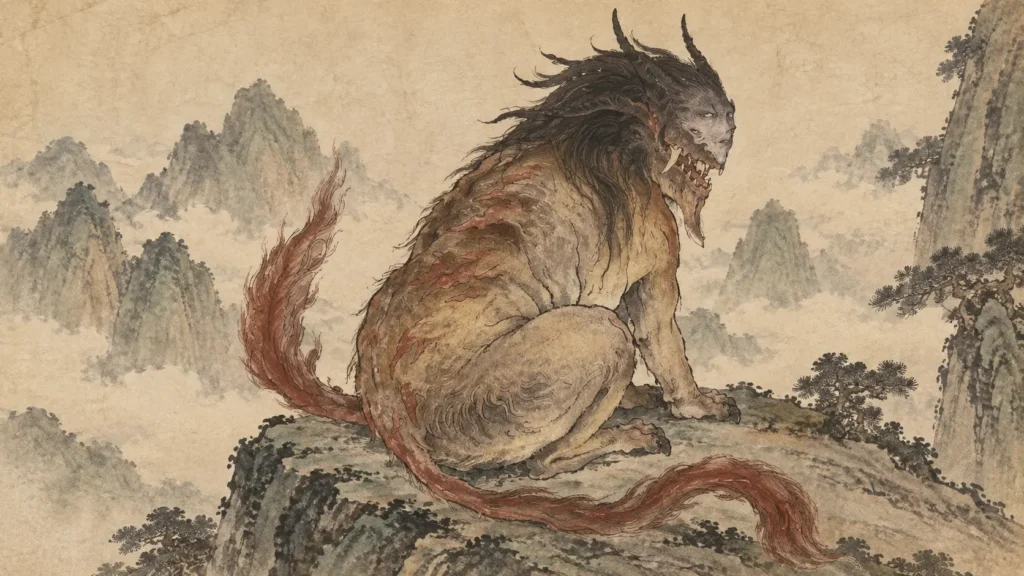
Becoming Konstantin treats the Shan Hai Jing itself as the starting point. Entries are compared against reliable translations, scholarly commentary and the structure of surviving editions before later folklore or literary traditions are added.
When a modern story gives a creature powers, motives or symbolism that are not clearly present in the earlier source, the goal is to identify that later layer rather than silently presenting every tradition as one ancient account.
The Shan Hai Jing preserves only one part of China’s vast supernatural world. Continue into dragons, auspicious beasts, spirits, shapeshifters and creatures from folklore and later literature.
Explore Chinese Mythical Creatures