
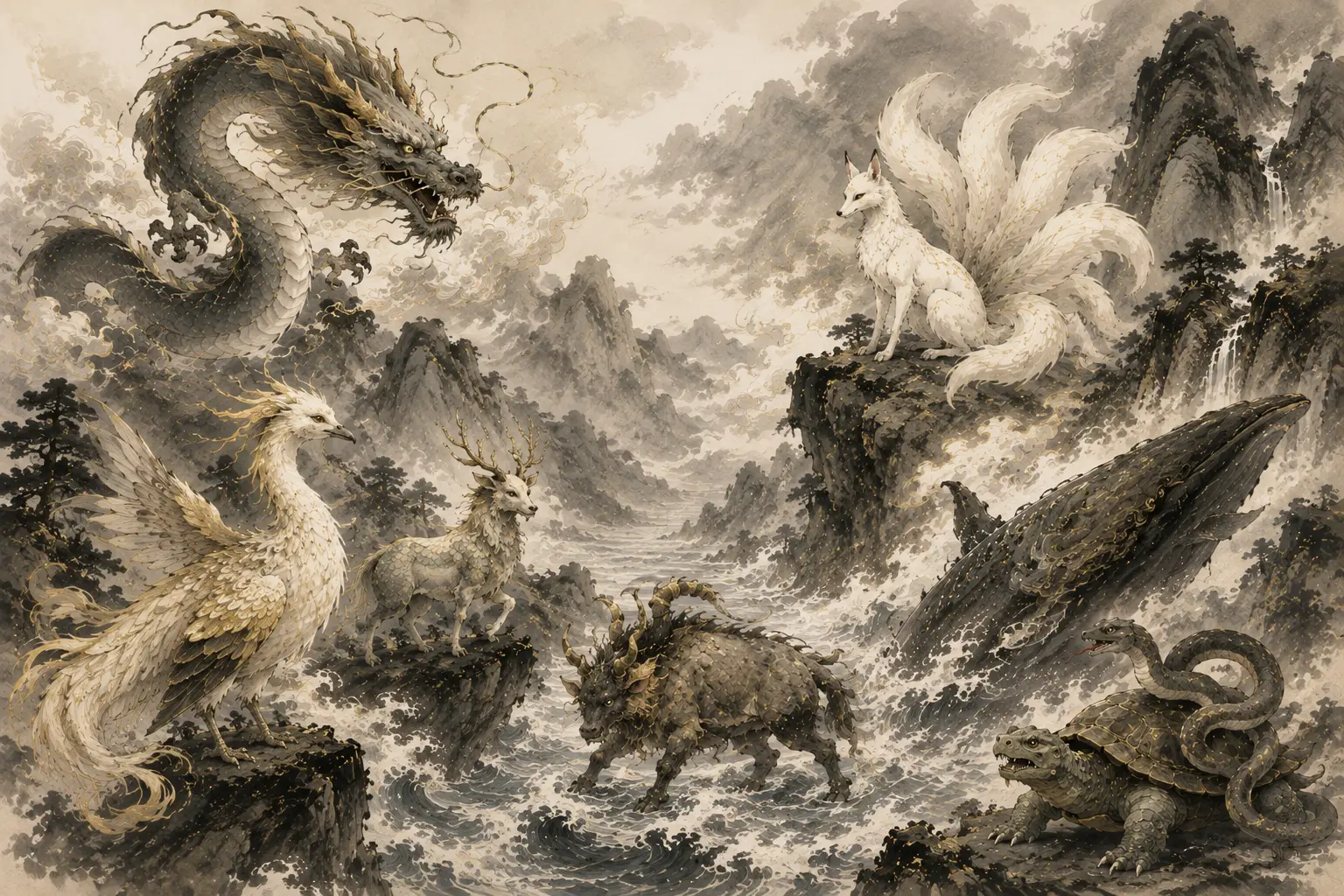
Enter the World of
Chinese Mythology
Gods. Creatures. Legends.
Explore a mythological world shaped by celestial rulers, immortals, legendary creatures, creation stories and epic journeys. From Sun Wukong and the Jade Emperor to the strange beings of the Shan Hai Jing, these stories reveal centuries of Chinese cultural, literary and religious imagination.
Explore Chinese Mythology
Five Paths Into the Mythic Realms
Choose a path into the archive. Each collection gathers the stories, figures and sources for one part of the tradition.

The Celestial Court
Chinese Gods & Immortals
Meet celestial rulers, creator figures, warrior deities and legendary immortals — from the Jade Emperor and Nüwa to Nezha, Guan Yu and Chang’e.
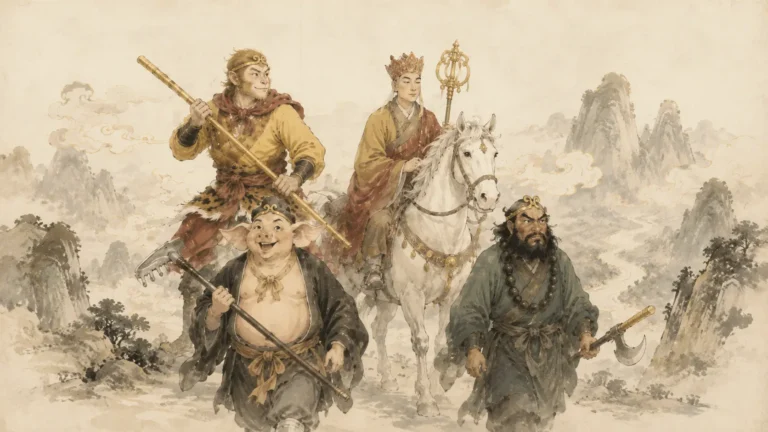
The Great Pilgrimage
Journey to the West
Follow Sun Wukong, Tang Sanzang, Zhu Bajie and Sha Wujing through demons, gods, impossible battles and spiritual trials in one of the most influential stories in Chinese literature.
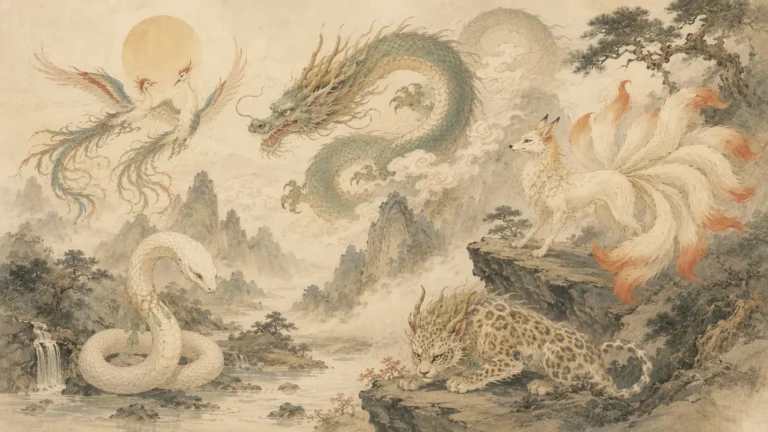
Beasts & Spirits
Chinese Mythical Creatures
Discover dragons, fox spirits, divine beasts and ancient monsters whose stories cross mythology, folklore and classical Chinese texts.
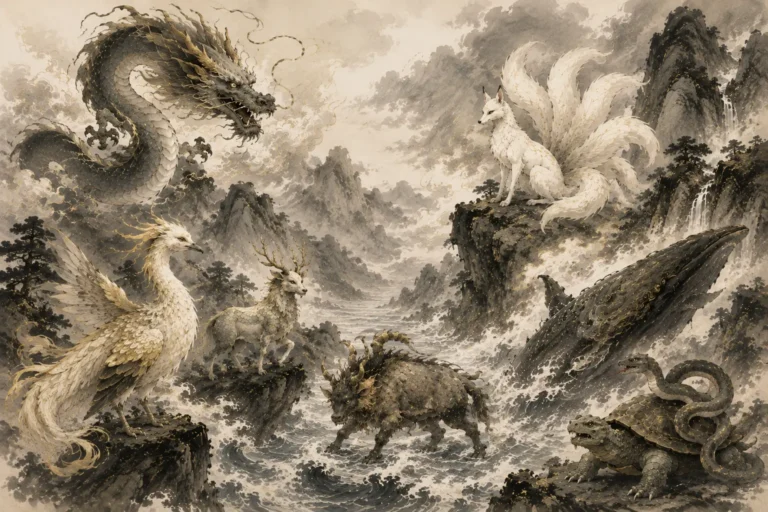
Within Mythical Creatures
Shan Hai Jing Creatures
Strange beasts, distant mountains and supernatural beings from the Classic of Mountains and Seas — a dedicated collection inside Chinese Mythical Creatures.
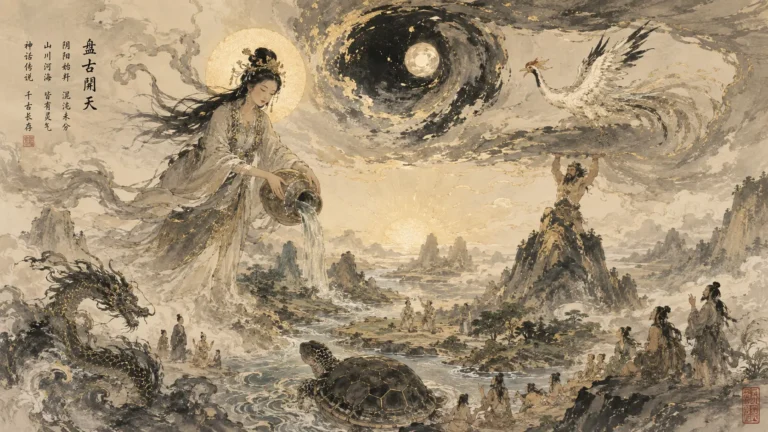
Before Heaven & Earth
Chinese Creation Myths
Discover ancient stories about the beginning of the world and humanity, from Pangu separating heaven and earth to Nüwa creating people and repairing the broken sky.
Understanding the Tradition
What Is Chinese Mythology?
Chinese mythology is not one single, fixed collection of stories. It developed across centuries through ancient myths, regional folklore, religious traditions, historical memory and some of China’s most influential works of literature.
Its world includes celestial rulers and immortals, dragons and supernatural beasts, creator figures such as Nüwa and Pangu, and literary heroes such as Sun Wukong. Daoist, Buddhist and folk traditions often overlap, while later stories reshape much older ideas in new ways.
The best way to explore this tradition is not as one rigid pantheon, but as a connected mythological world whose figures, symbols and stories evolved across different texts, regions and periods.
Start Here
Essential Chinese Mythology Guides
These three guides are strong starting points for understanding some of the most recognizable figures and symbols in the wider mythological tradition.
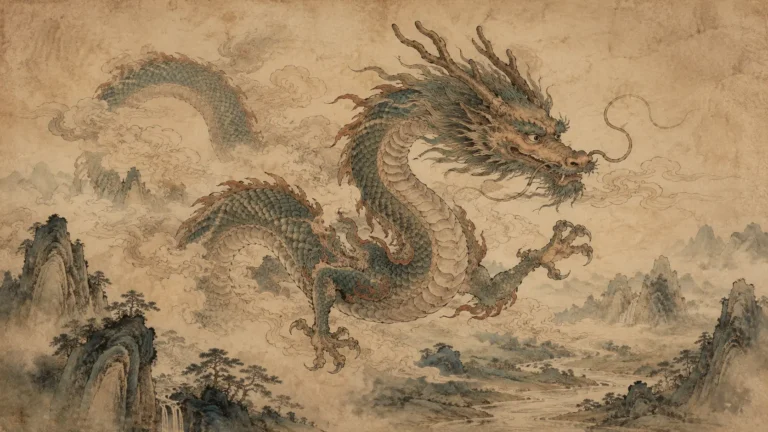
Power, Rain & Imperial Symbolism
Chinese Dragon
Discover how the Chinese dragon became a symbol of power, rain, transformation and cosmic order — and why it differs so strongly from the dragons of Western legend.
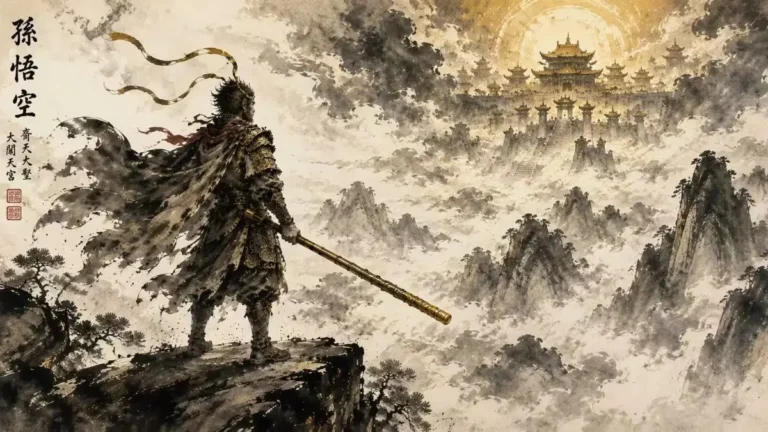
The Monkey King
Sun Wukong
Meet the rebellious Monkey King whose strength, transformations, immortality and defiance of Heaven made him one of the most recognizable figures in Chinese mythology and literature.
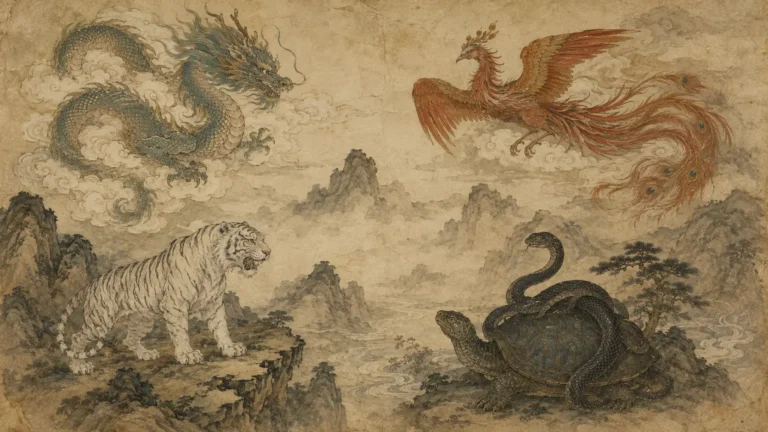
Guardians of the Four Directions
The Four Symbols
Explore the Azure Dragon, White Tiger, Vermilion Bird and Black Tortoise — four celestial guardians connected with direction, season, color and the Chinese sky.
New from the Archive
Latest Mythology Stories
New gods, creatures and legends added to the Becoming Konstantin mythology archive.
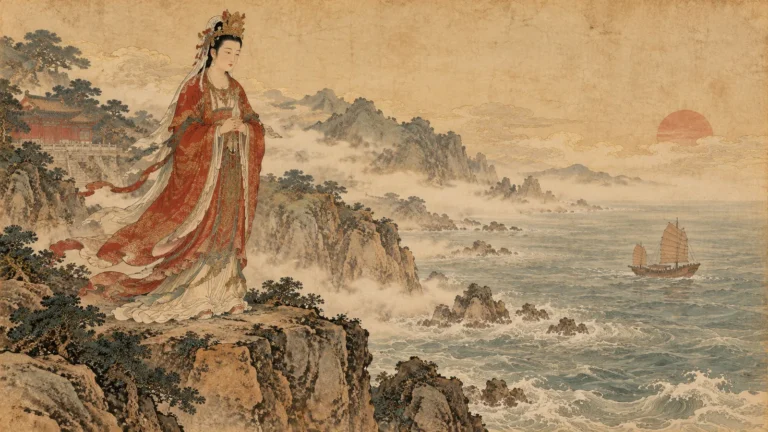
Mazu (妈祖) – The Chinese Sea Goddess
Meet Mazu, the Chinese sea goddess also known as Tin Hau, through her rescue legends, temple traditions and the communities…
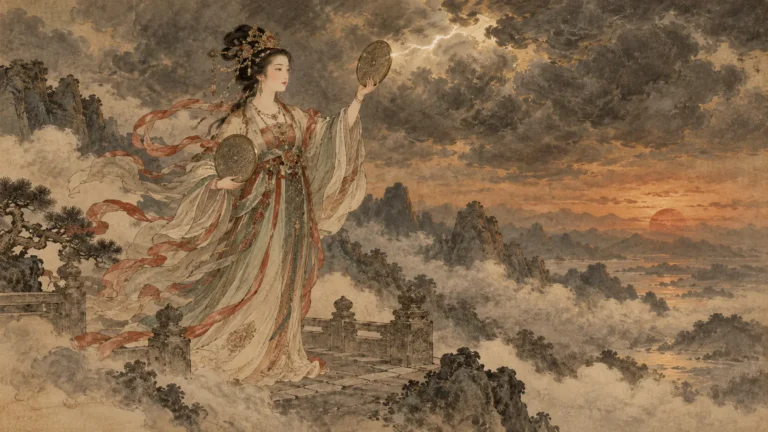
Dianmu (电母): The Chinese Goddess of Lightning
First comes the flash. Then comes the thunder. Chinese tradition gave those two forces different divine faces. Thunder belonged to…
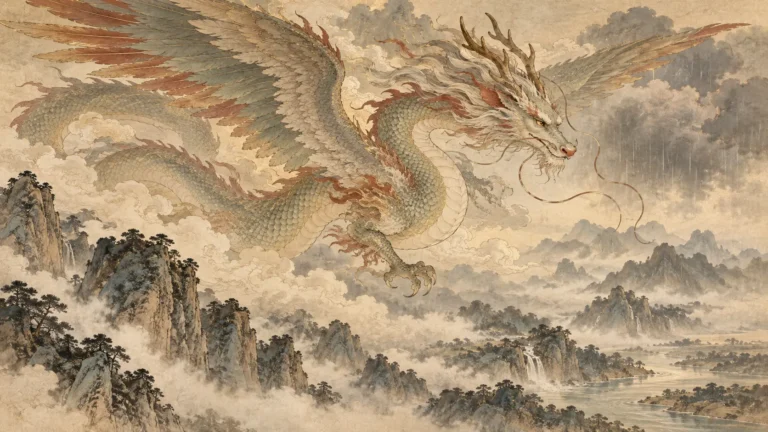
Yinglong (应龙): The Winged Dragon of Chinese Mythology
Before dragons ruled the seas as kings, one ancient dragon fought beside the Yellow Emperor. Its weapon was water. Its…
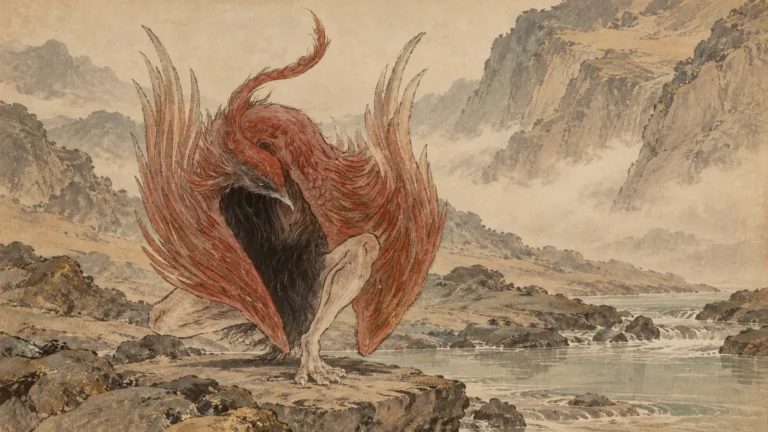
Lihu (鵹鹕): The Human-Footed Bird of the Shan Hai Jing
High in the strange geography of the Shan Hai Jing, there is a barren mountain of sand and stone. A…

Xiezhi (獬豸): The Chinese Mythical Beast of Justice
Imagine an ancient court where two people give completely different versions of the truth. The judge does not call another…
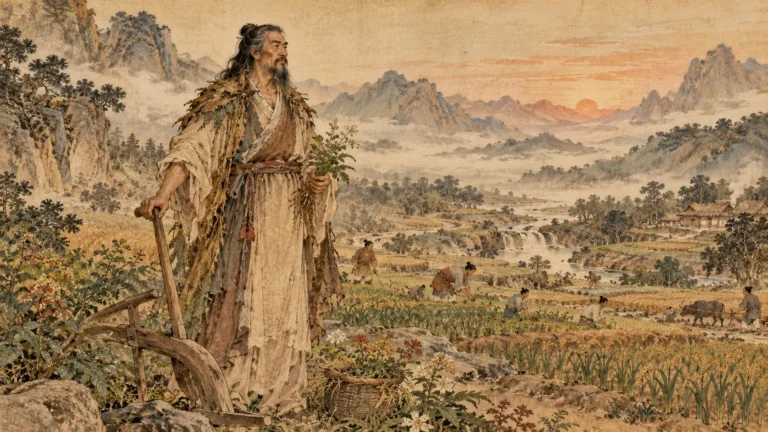
Shennong (神农): The Divine Farmer of Chinese Mythology
Before agriculture, Chinese tradition imagined humanity living much closer to hunger. People gathered what they could find. Plants could nourish…
Research & Context
How This Mythology Archive Is Researched
Becoming Konstantin compares classical texts and literary traditions with modern translations, museum collections, academic references and reliable cultural sources where appropriate.
When traditions disagree, the aim is to make those differences visible — separating older mythic material from later literature, religious developments and popular folklore instead of presenting every version as one perfectly consistent story.
Curated by
Konstantin Aleksandrov
Creator of Becoming Konstantin, exploring Chinese mythology through storytelling, source comparison, cultural context and first-hand encounters with Chinese history and sacred places.
From Legend to Discipline
Become a Warrior Yourself
The legends are more than stories. Take their discipline, resilience and courage into your own training and everyday life.