Chinese Dragon
Explore the Chinese dragon as a creature of rain, water, authority, transformation and cultural symbolism — far beyond the fire-breathing image familiar from…
Explore the Chinese Dragon →Explore the dragons, divine beasts, shapeshifting spirits and strange creatures that inhabit Chinese mythology, classical literature and ancient texts such as the Shan Hai Jing. Discover where their stories come from, what they symbolize and how their identities changed across different traditions.
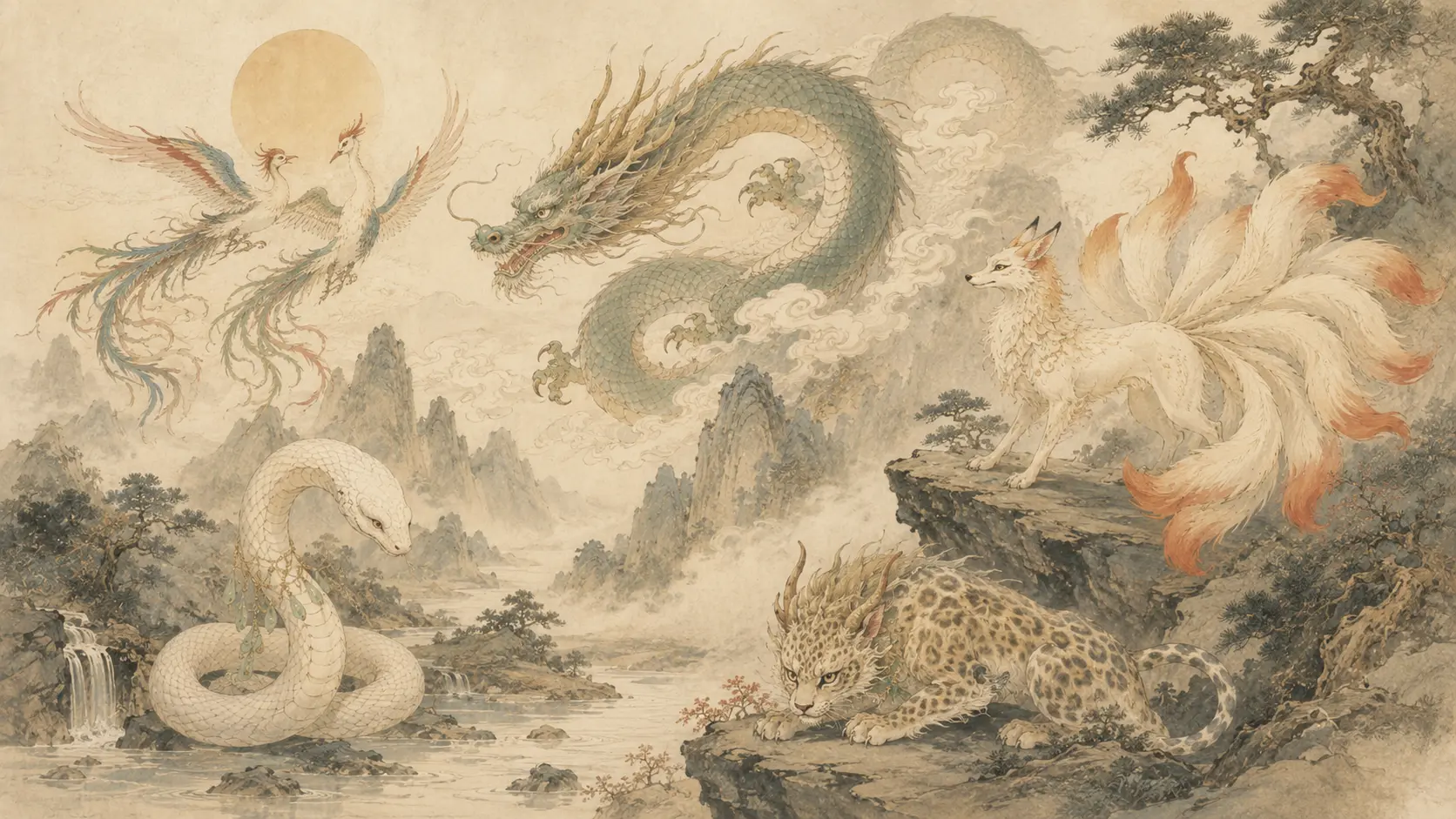
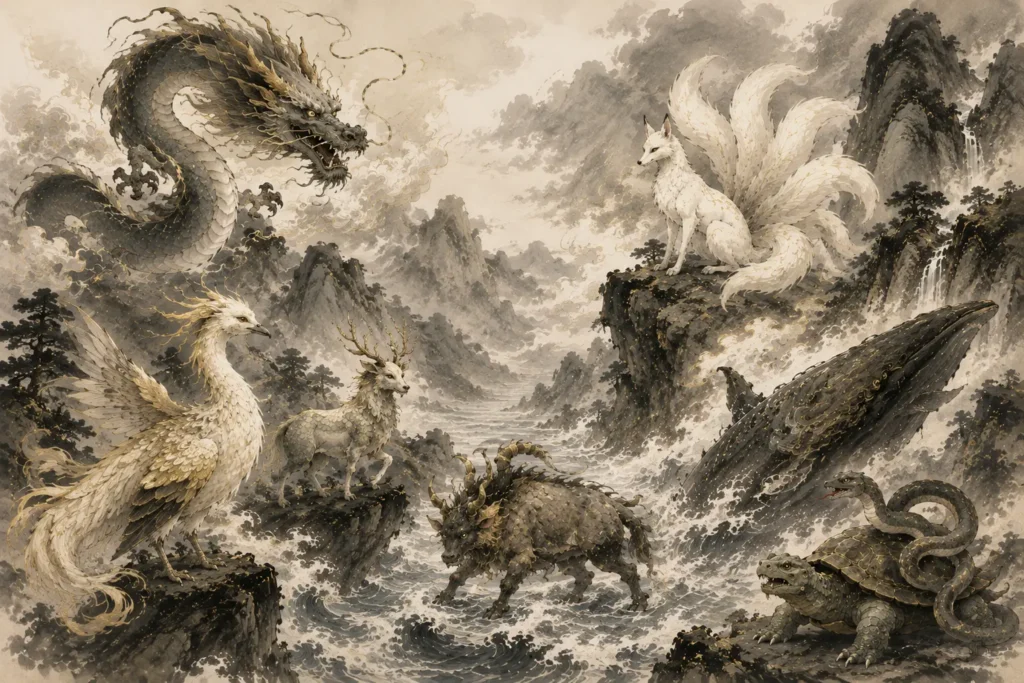
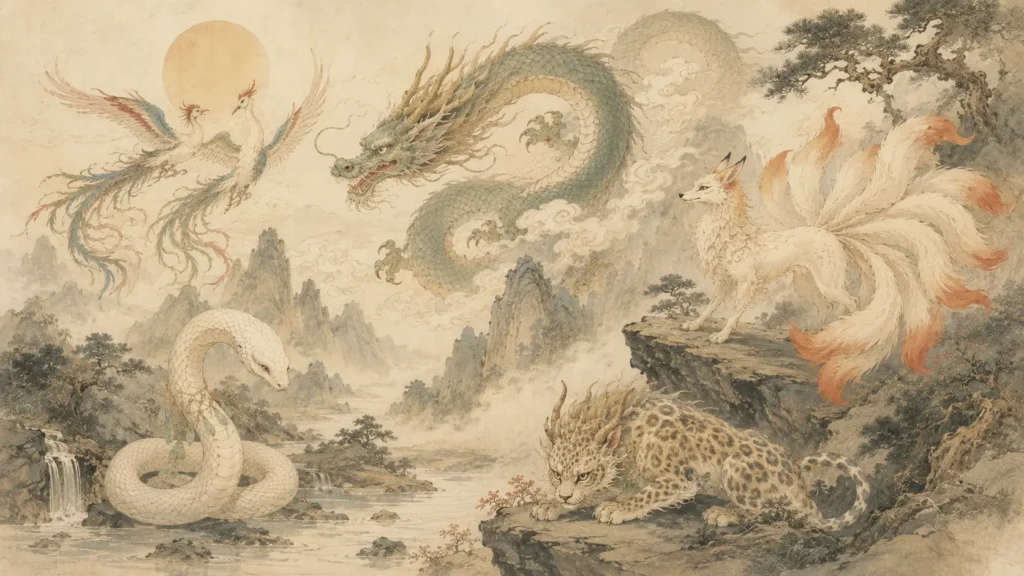
Explore the Creature WorldChinese mythical creatures are not one single class of monsters. Ancient texts, religious traditions, folklore and later literature describe many different kinds of supernatural beings, each with its own origin, role and cultural meaning.
Dragons may be associated with water, rain and authority. Creatures such as the Qilin can appear as auspicious signs, while fox spirits may transform, deceive or cross the boundary between the human and supernatural worlds. Other beings are remembered as dangerous monsters, strange omens or inhabitants of distant mythic landscapes.
The groups below are therefore a reading guide rather than one rigid traditional taxonomy. The source of a creature — whether an ancient text, folklore, religion or later literature — often matters as much as its appearance.
Begin with three creatures whose stories reveal just how different the supernatural beings of Chinese mythology can be.
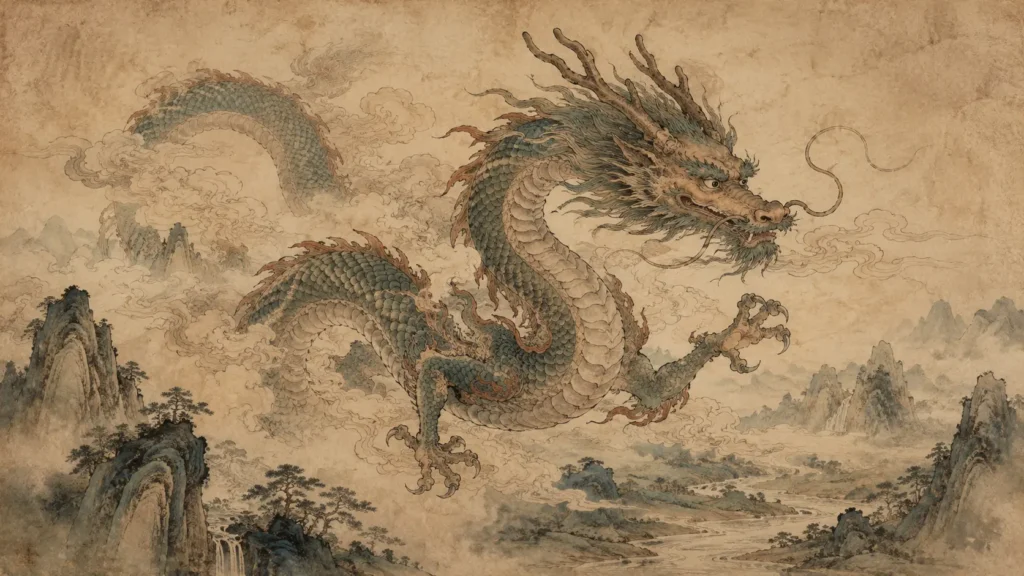
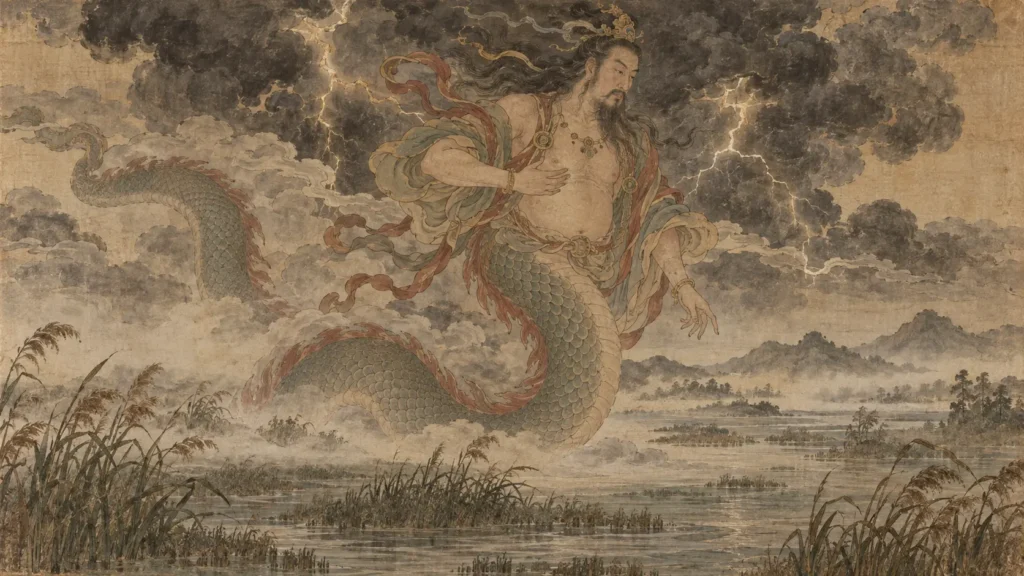
Explore the Chinese dragon as a creature of rain, water, authority, transformation and cultural symbolism — far beyond the fire-breathing image familiar from…
Explore the Chinese Dragon →
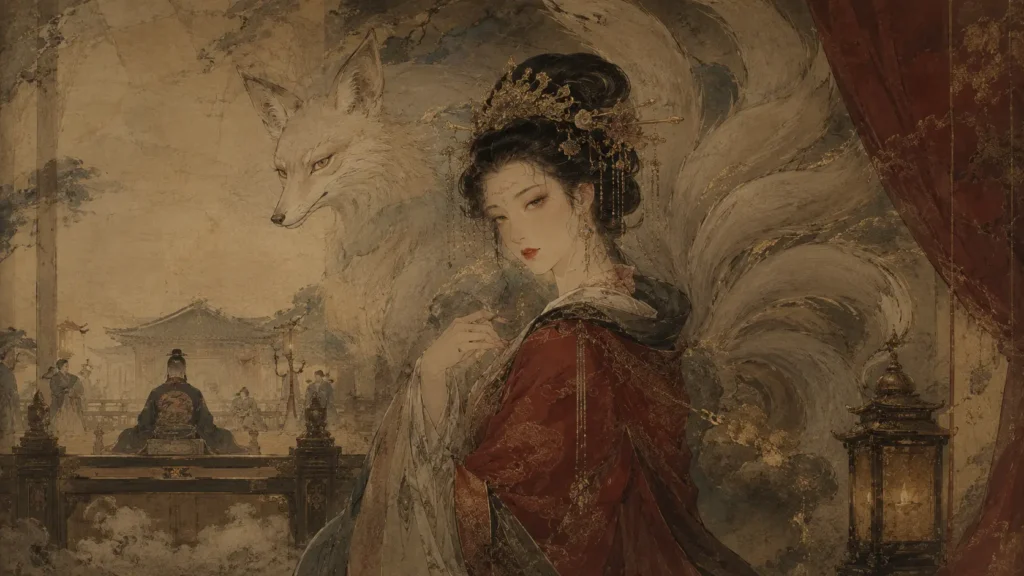
Follow the Nine-Tailed Fox from the strange landscapes of the Shan Hai Jing through later traditions that transformed it into an omen, shapeshifter…
Discover the Nine-Tailed Fox →
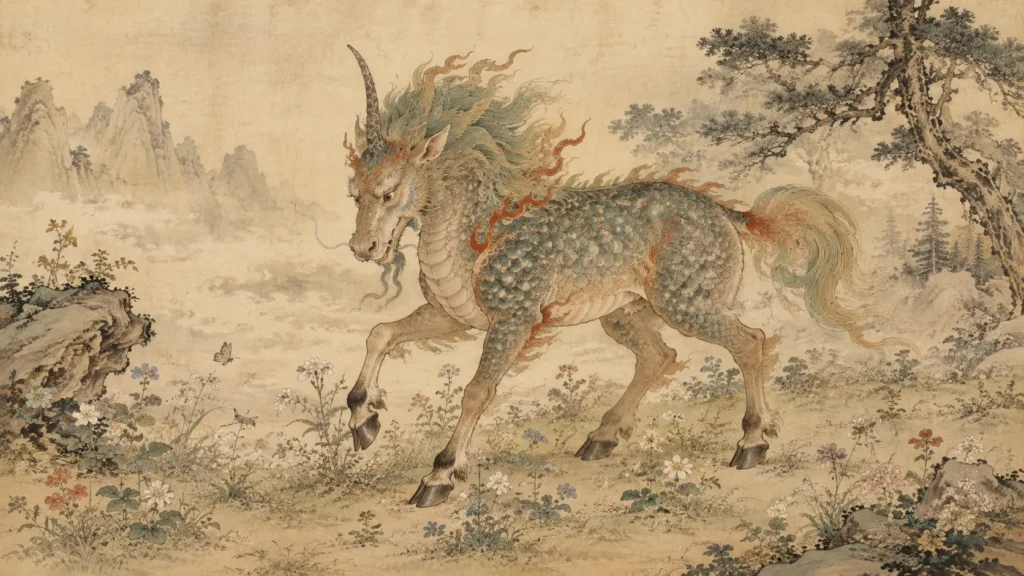
Meet the Qilin, a legendary creature associated with virtue, wise rule, extraordinary births and peaceful omens across Chinese mythology and cultural tradition.
Explore the Qilin →These are useful paths for exploring the archive, not a claim that every Chinese tradition classified supernatural beings in exactly the same way.
Dragons and related beings often connect supernatural power with rivers, seas, clouds, rain, transformation and celestial or imperial authority.
Some legendary creatures appear as signs of harmony, good government, extraordinary births or the presence of virtue rather than as enemies to be defeated.
Foxes and other supernatural beings may transform, cultivate power, imitate human appearance or move between the boundaries of spirit, animal and person.
Ancient sources also preserve impossible animals, dangerous beings and creatures whose appearance can warn of war, disaster or events beyond the ordinary world.
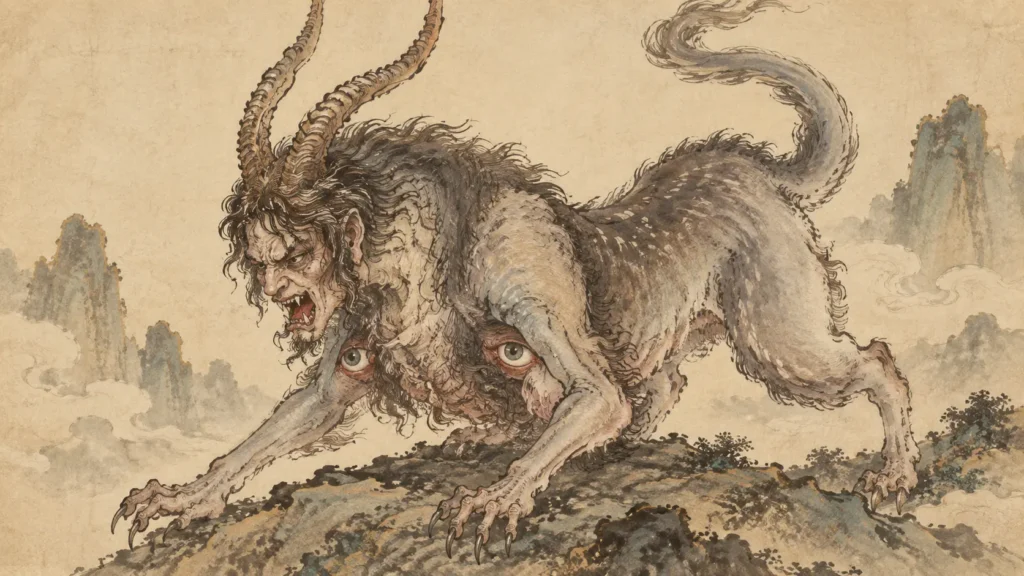
The Shan Hai Jing, or Classic of Mountains and Seas, describes a strange world of distant mountains, rivers, peoples, gods and extraordinary creatures. This dedicated collection explores beings such as Mengji, Dijiang, Lushu, Changshe and many others while keeping them connected to the wider Chinese Mythical Creatures archive.
Explore Shan Hai Jing Creatures →Explore the origins, meanings and changing traditions behind some of the most recognizable beings in Chinese mythology.
Power, Water & Transformation
Explore the Chinese dragon as a creature of rain, water, authority, transformation and cultural symbolism — far beyond the fire-breathing image familiar from Western fantasy.
Explore the Chinese Dragon →
From Ancient Beast to Fox Spirit
Follow the Nine-Tailed Fox from the strange landscapes of the Shan Hai Jing through later traditions that transformed it into an omen, shapeshifter and powerful literary demon.
Discover the Nine-Tailed Fox →
The Auspicious Beast
Meet the Qilin, a legendary creature associated with virtue, wise rule, extraordinary births and peaceful omens across Chinese mythology and cultural tradition.
Explore the Qilin →Discover new beasts, spirits and supernatural beings added to the Becoming Konstantin archive.
Becoming Konstantin compares descriptions from classical and literary sources with reliable translations, scholarly context and later cultural traditions. The aim is to identify where a creature appears, what the source actually says and how its identity or symbolism changed over time rather than merging every later retelling into one universal legend.
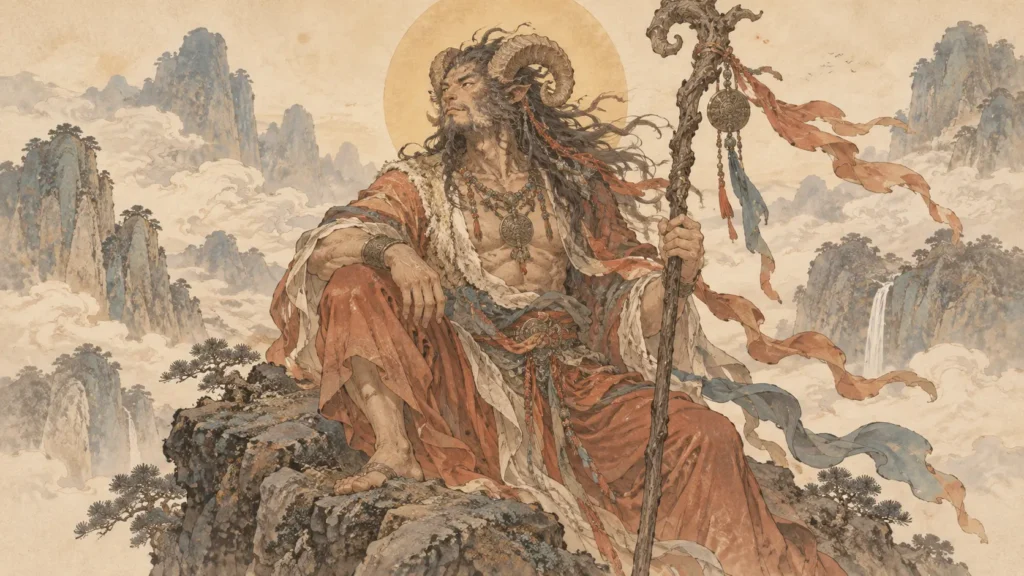
Legendary creatures are only one part of the mythological world. Continue into Chinese gods and immortals, creation myths, Journey to the West and the stories that connect these traditions together.
Explore Chinese Mythology