
Chinese Mythology
Gods, immortals, legendary creatures, creation myths, Journey to the West and the strange worlds preserved in texts such as the Shan Hai Jing.
Becoming Konstantin explores Chinese mythology, legendary figures, warrior discipline and the places where those traditions are still visible today. The goal is simple: make these stories understandable, well researched and worth remembering.
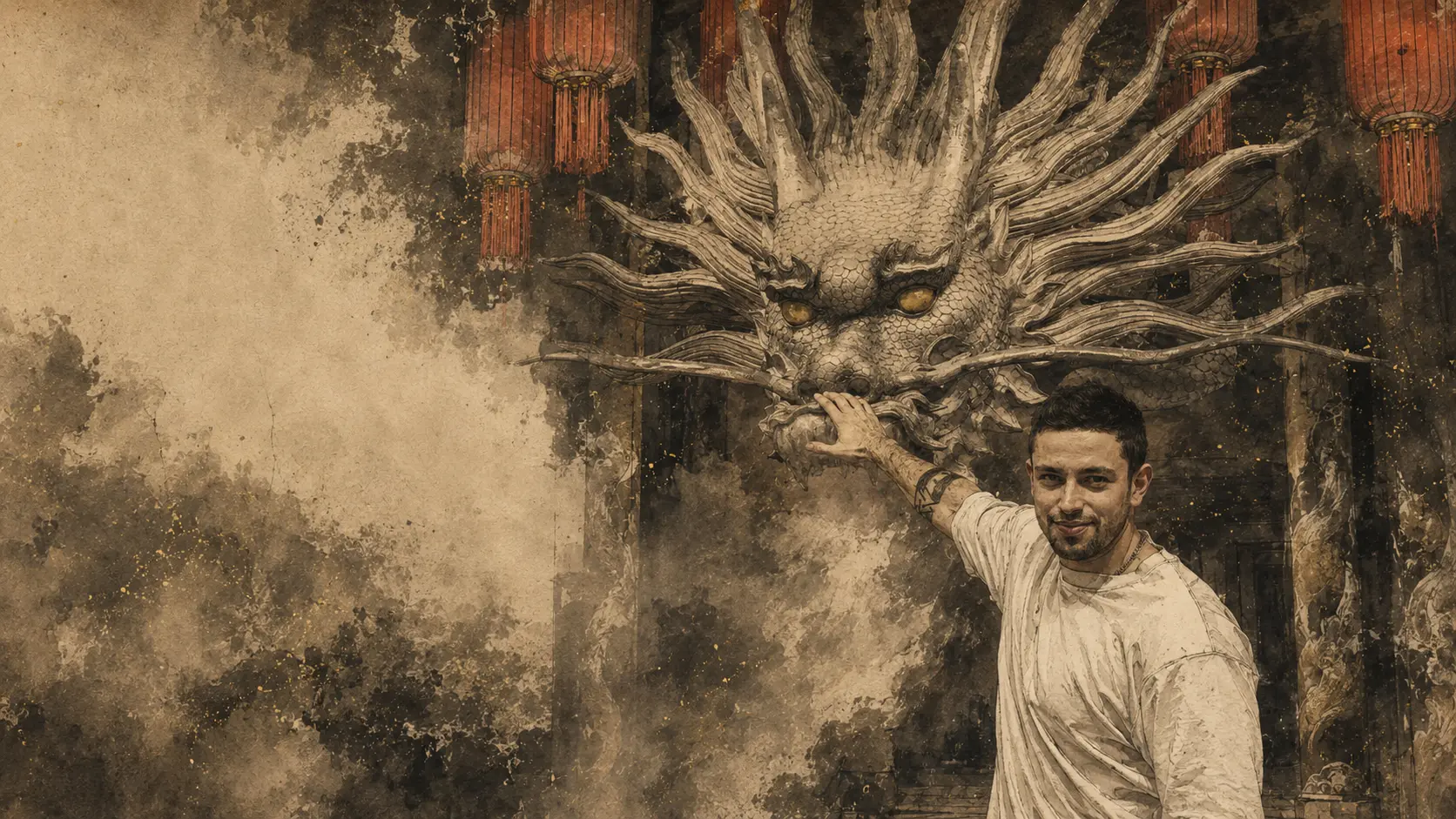
Becoming Konstantin began from a fascination with Chinese mythology, legendary warriors and the ideas of discipline, courage and transformation that appear throughout these traditions. I wanted to build a place where the stories are enjoyable to read without stripping away their cultural context, sources or complexity.
Gods, immortals, legendary creatures, creation myths, Journey to the West and the strange worlds preserved in texts such as the Shan Hai Jing.
Modern strength training, consistency and discipline — inspired by warrior ideals without pretending that modern exercises are secret ancient traditions.
Temples, museums, historic sites, sacred landscapes and cultural spaces offer a different kind of evidence: seeing where myths and traditions still live in the real world.
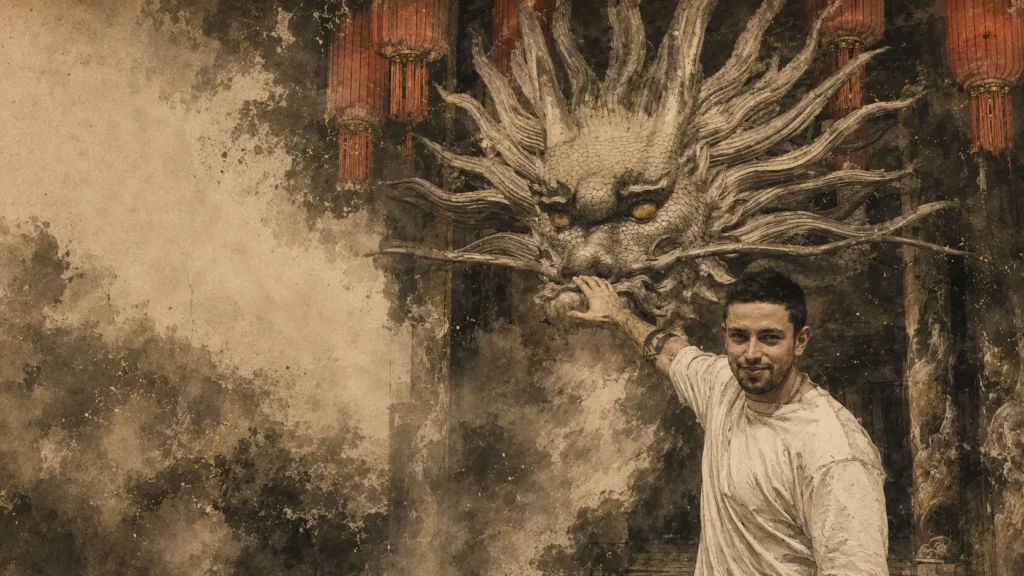
I'm the person behind Becoming Konstantin. My interests sit at the intersection of Chinese mythology, strength training, martial culture, travel and personal development.
Spending time in China changed the way I approach mythology. Temples, museums, historic places, religious art and everyday cultural references add context that is difficult to understand from search results alone.
I also study Chinese, which helps me pay closer attention to names, characters, transliteration and the way Chinese terms are represented in English-language sources.
Chinese mythology is not one fixed canon. Stories change across texts, regions, religions and centuries. That means a useful article should show where information comes from instead of presenting every version as equally ancient.
Where relevant, articles trace figures and stories back to early texts, translations, historical records and established academic or institutional references.
Chinese names are checked carefully, including Chinese characters and pinyin where they help readers identify the original figure or concept.
Different versions are compared rather than silently combined. When a detail belongs to a later tradition, novel, folk belief or modern adaptation, the distinction should be clear.
Visits to temples, museums, historical sites and cultural spaces in China help provide visual and cultural context for how these figures and traditions are represented outside books.
Mythology research and fitness coaching are different disciplines, so the relevant experience and credentials should be kept clear rather than blended together.
My mythology work combines books, historical and institutional sources, Chinese terminology and first-hand cultural experience from time spent traveling through China.
For fitness and Warrior Training, I rely on modern training principles and stay within the appropriate scope of fitness coaching rather than using mythology as evidence for exercise claims.
Explore the main mythology hub and move through the site's connected topic clusters.
Learn how the Warrior Training system turns the site's philosophy into a practical training approach.
See the places and visual culture that provide real-world context for many of the traditions explored here.
Whether you have a mythology question, a collaboration idea or you're interested in Warrior Foundations, you can contact me directly.
Get in Touch