
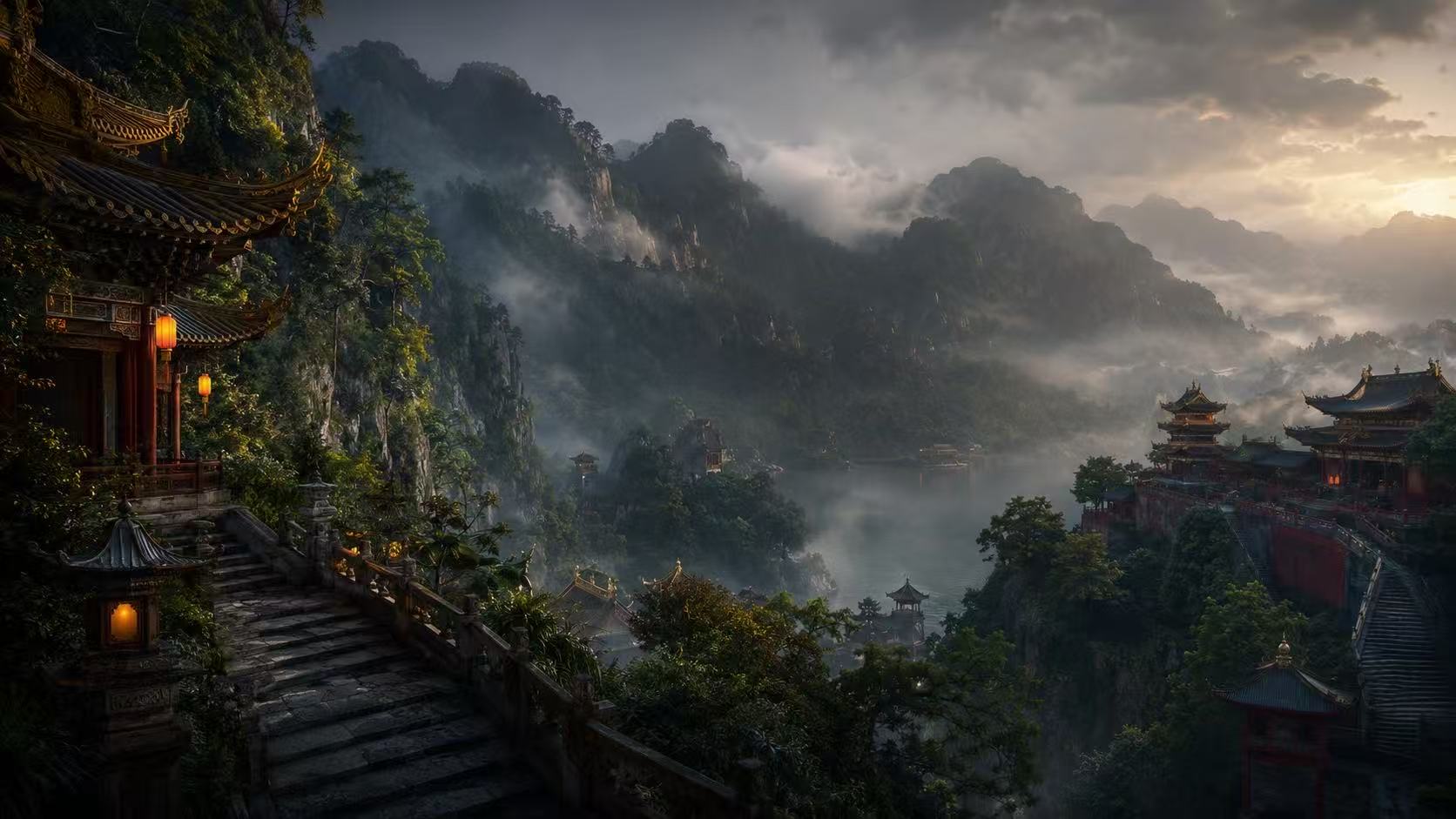
Watch Before You Copy
If people are praying, offering incense or performing a ritual, do not assume every visitor is expected to do the same thing.
Explore temples and sacred places in China through photography, cultural context and the mythology connected to what you see. The goal is not to collect landmarks. It is to understand why the places matter.
Chinese temples are not one single tradition, one architectural style or one frozen version of the past. Across China, Buddhist, Daoist and folk-religious spaces sit beside imperial sites, mountain paths, guardian figures and local customs.
That is where travel and mythology become much more interesting together. A statue stops being decoration when you know the story behind the god. A mountain stops being only a viewpoint when you understand why generations treated the landscape as sacred. A red-faced warrior in a side hall becomes something completely different once you know the story of Guan Yu.
This page is the bridge. Use the photographs to explore China visually, then follow the links into the legends, characters and traditions that give those places their deeper meaning.
Architecture, mountain landscapes, guardian figures and temple culture all open different doors into Chinese mythology.
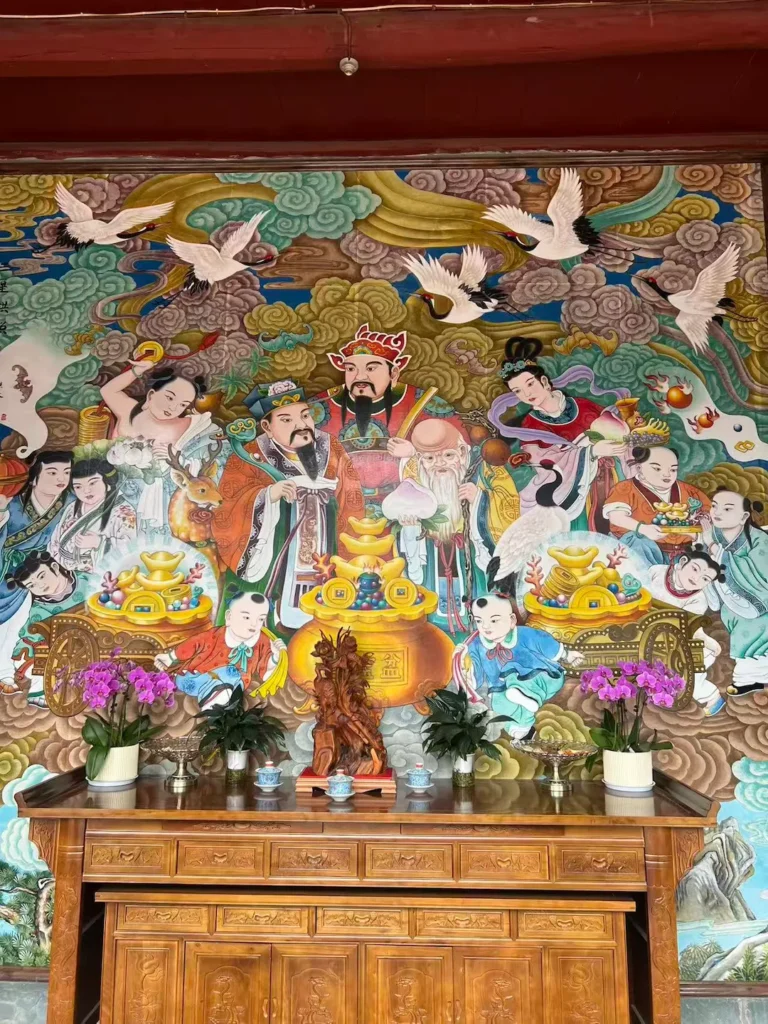
Move from temple courtyards into the stories of the gods, immortals and guardians connected with Chinese religious culture.
Explore Gods & Immortals →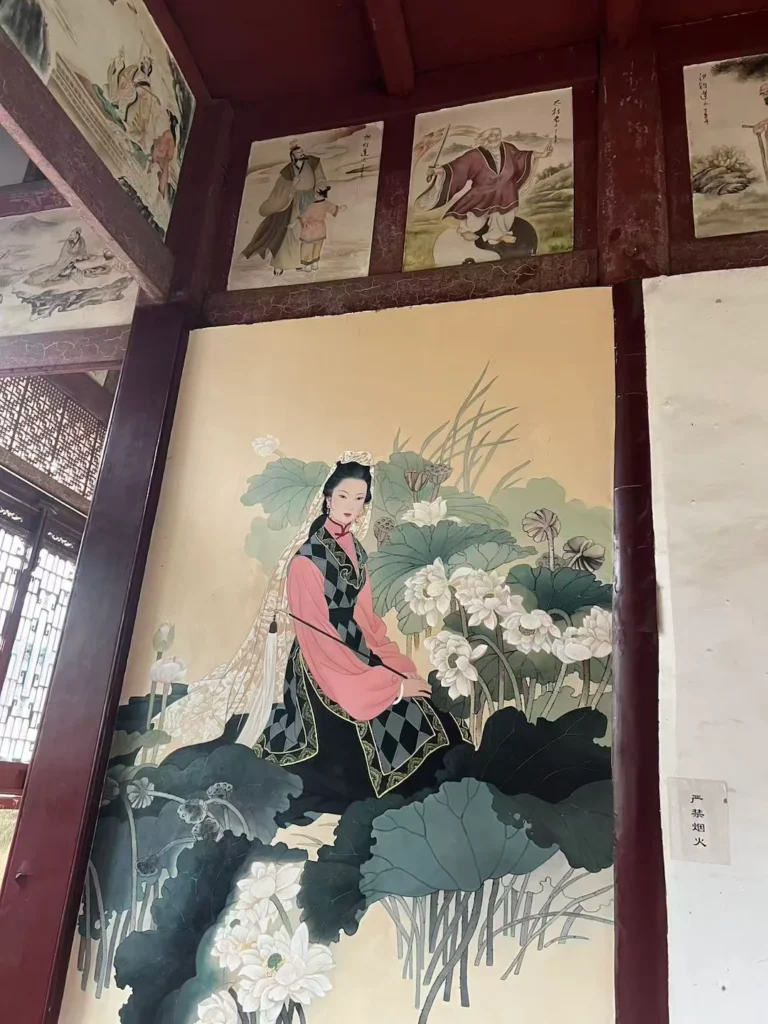
The landscapes of China make more sense when you know the journeys, sacred geography and stories attached to them.
Enter Journey to the West →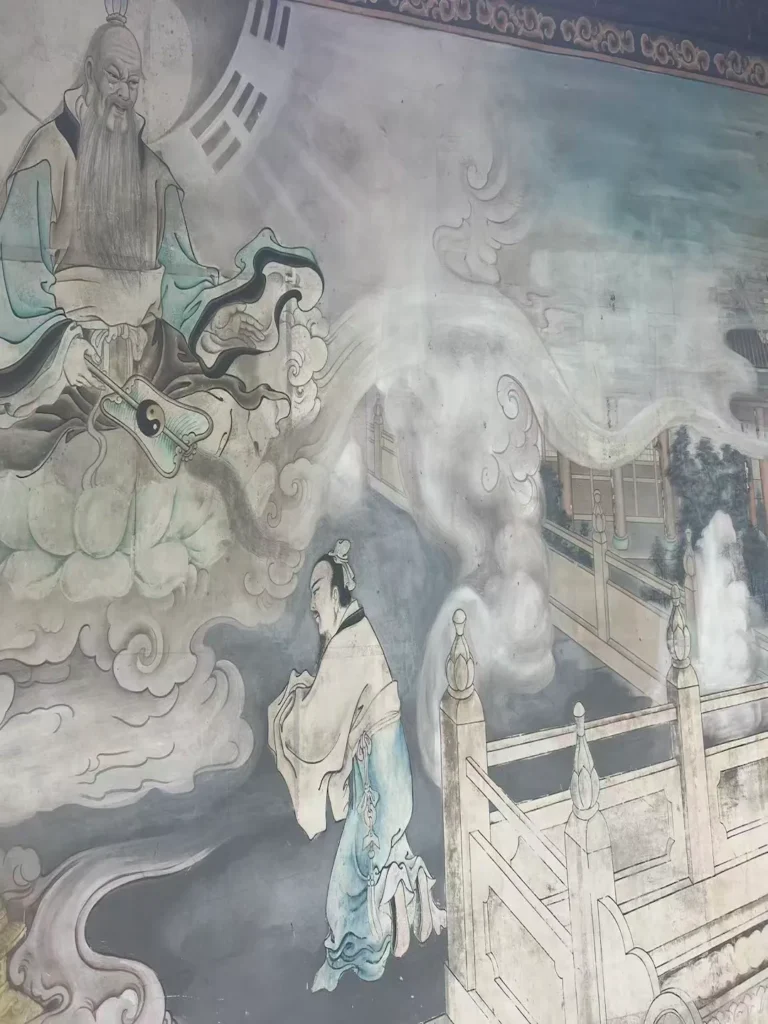
A historical general became a divine guardian whose image still appears in temples, businesses and everyday spaces across China.
Read Guan Yu’s Story →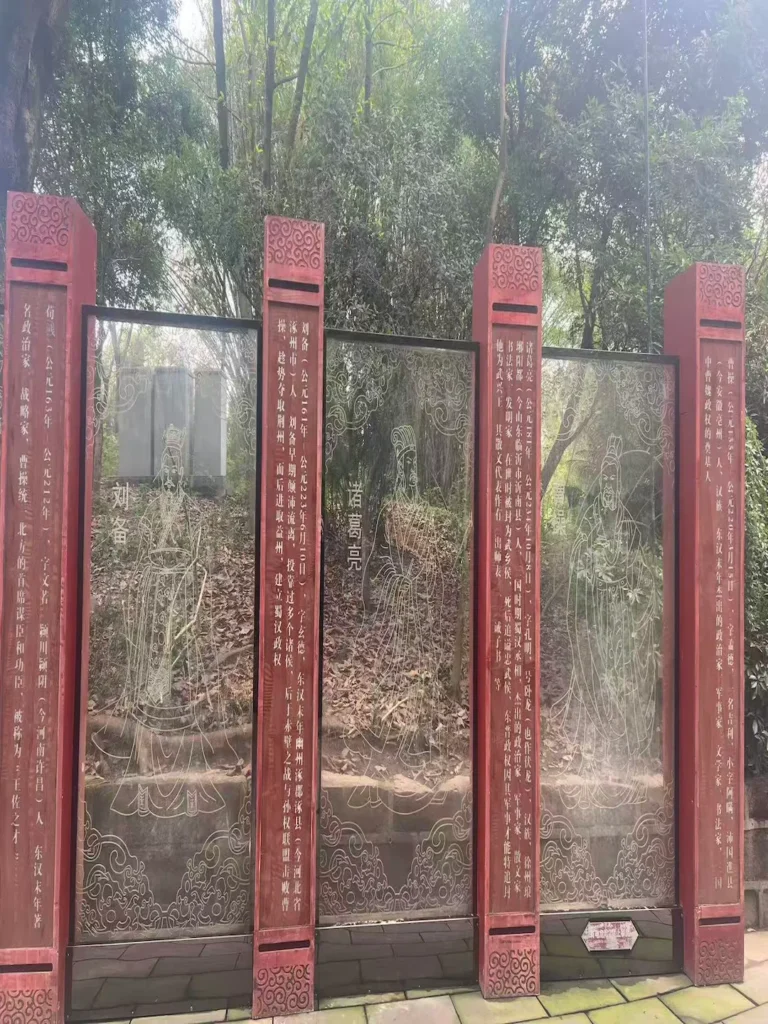
Dragons, celestial courts, creation myths and strange creatures turn travel into a much larger map of Chinese imagination.
Explore Chinese Mythology →Stone, incense, painted beams, mountain air, temple roofs and quiet corners. Sometimes the first step is simply looking closely enough to notice what is there.
Photography on this page is drawn from the media already associated with this Travel & Temples page.
Temples can be tourist attractions and active religious spaces at the same time. The exact rules vary by site, so local signage and staff always take priority.
If people are praying, offering incense or performing a ritual, do not assume every visitor is expected to do the same thing.
Give people space, keep your voice low in active worship areas and avoid turning a private religious moment into a photo prop.
Photography rules can change between halls, exhibitions and individual temples. Follow posted restrictions and ask when the situation is unclear.
You do not need to rush every courtyard. Notice the statues, inscriptions, roof details, offerings and how local visitors actually use the space.
Becoming Konstantin is not trying to replace a booking site or a transport guide. The advantage is the connection between the physical China you can visit and the mythic China you can study.
Keep exploring China through the gods, warriors, creatures and legends that shaped how generations understood the world around them.
Explore Chinese Mythology